Before a customer reads your product name or asks about the price, they have already formed a complete impression of it from the colours, the type and the way the elements are arranged. That split-second judgment is what graphic design creates — and it’s why two stores selling the exact same product can get completely different results.
This guide explains graphic design in plain language: what it is, the main types, why it has become essential for any brand operating in the Saudi market, and how to get started in a way that protects your budget from rework and waste.
What is graphic design?
Graphic design is the practice of organising visual elements — images, type, colour, shapes and space — to deliver a specific message to a specific audience. The key word is message. Good design isn’t measured only by how attractive it is, but by how quickly it helps the right person understand the right thing.
That is what separates graphic design from fine art. A painting expresses the artist’s vision; design serves a goal — getting someone to tap an ad, remember a logo, find the buy button without hunting for it, or trust the quote you just sent them.
The core elements of any design
- Typography: choosing typefaces, sizes and spacing. With Arabic content this matters even more, because many fonts don’t render Arabic letterforms properly.
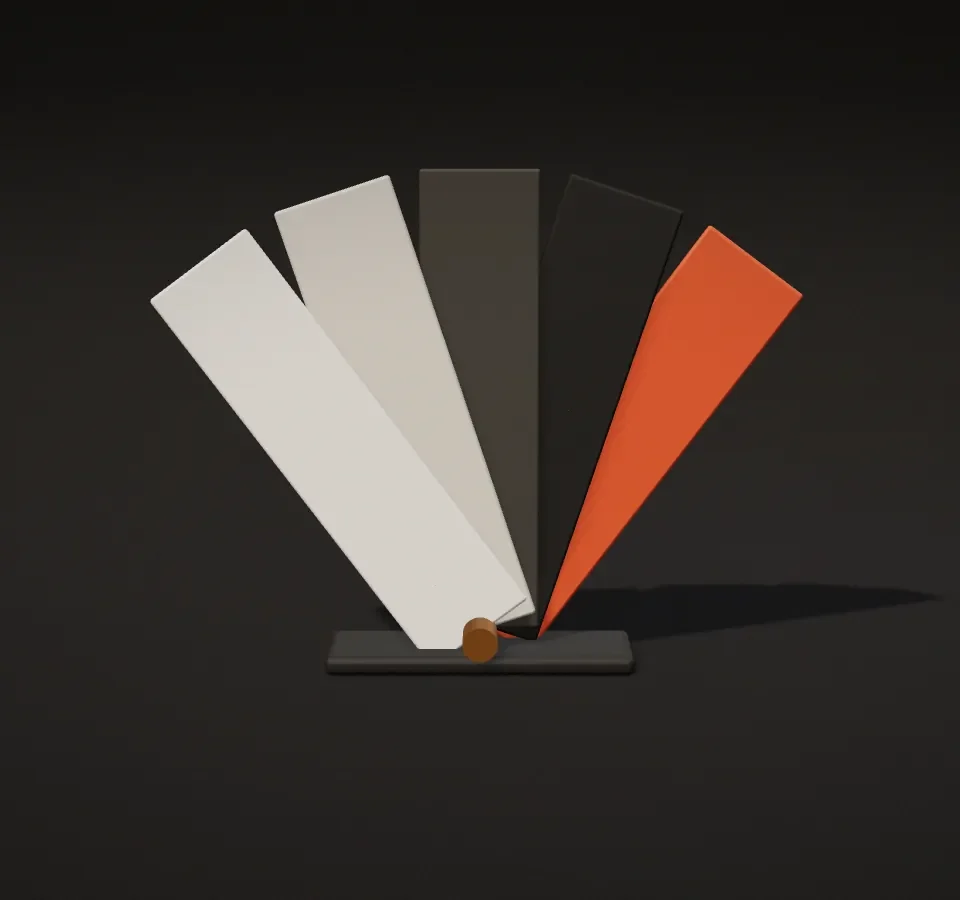
- Colour: carries psychological and cultural meaning, and sets your brand apart from competitors.
- Visual hierarchy: arranging elements so the eye knows what to read first, and what comes next.
- White space: not wasted room, but what gives a design its clarity and sense of quality.
- Imagery and icons: they shorten explanations and give the design its own character.
The types of graphic design brands actually need
Not every company needs every type of design at the same time. Knowing the categories helps you set priorities based on where your business is today.
1. Visual identity design
This covers the logo, colours, typefaces, patterns and the rules for using them. It’s the foundation every later piece is built on, and we cover it in depth in our guide to visual identity design for Saudi brands.
2. Marketing and advertising design
Social media posts, Meta, TikTok and Snapchat ads, banners and video covers. This is the most time-consuming category because it never stops — fresh work is needed every week — and it sits at the heart of the content and ad design service.
3. Website and app interface design
This focuses on the experience inside a site or store: where the visitor looks first, how they reach a product, and the moment they decide to buy. It’s where design meets technical performance and speed.
4. Print and packaging design
Packaging, labels, brochures and business cards. In categories like fragrance, coffee and food, the package is often the first ad a customer sees — on the shelf or in an online store photo.
5. Presentation and document design
Pitch decks, company profiles and proposals. This matters most in B2B, where a decision-maker reads your file before they ever meet you.
| Design type | When you need it first | Direct impact |
|---|---|---|
| Visual identity | At launch or when repositioning | Distinction, recall and trust |
| Social content and ads | When digital marketing begins | Reach, engagement and clicks |
| Website and store interfaces | When building a site or store | Conversion rate and ease of use |
| Packaging and print | When you sell a physical product | Purchase decisions at the shelf and the unboxing experience |
| Presentations and documents | In B2B sales | Credibility and faster approvals |
Why graphic design matters for brands in Saudi Arabia
Saudi Arabia is an overwhelmingly digital market. Internet use is among the highest in the world, and platforms like Snapchat, TikTok and Instagram are part of the daily routine for a large share of the population. That means a customer sees dozens of competing brands within minutes — and design decides whether they stop at yours or scroll past it.
First impressions happen in seconds
When people scroll quickly, they decide whether to stop based on what they see before they read anything. A clear, consistent design signals that a brand is serious and organised. A messy one suggests the opposite, even when the product is excellent.
Trust is a precondition for buying online
When buying from a store they don’t know, customers look for reassurance: a consistent identity, professional product photos, well-organised pages and clear payment and shipping details. Design carries a large share of those signals.
Competing on the same product
In fashion, fragrance and food, products and prices are often similar. What makes the difference is the story, the experience and the way the brand presents itself — and design is the tool that makes that story visible.
Arabic content needs genuinely Arabic design
Many brands fall into the same traps: a beautiful Latin typeface paired with a weak Arabic one, a layout flipped from English to Arabic without respecting right-to-left reading, or Arabic text with broken letter connections because the software doesn’t support the script. Saudi audiences notice these details, and well-crafted Arabic design earns a brand instant respect.
How design actually shows up in sales
It’s hard to attribute a precise share of revenue to design alone, but its impact is clearly visible in metrics you can track:
- Ad click-through rate: two designs for the same offer can perform very differently, which is why good campaigns always test more than one creative.
- Store conversion rate: a clear product page with strong photography and a logical flow reduces hesitation.
- Customer acquisition cost: when an ad attracts the right person at first glance, costs drop because you’re not paying for uninterested clicks.
- Repeat purchases: an identity customers remember brings them back to you instead of sending them searching again.
That’s why design shouldn’t be separated from marketing — the two work together, as we explain in the role of graphic design in digital marketing.
Design and the Saudi marketing calendar
One of the defining features of the Saudi market is a clear marketing calendar in which audience interests and buying behaviour shift: Ramadan and its change in browsing hours, the two Eid seasons, Saudi National Day on 23 September, Founding Day on 22 February, White Friday, and back-to-school. Each season comes with its own visual language and expectations.
Brands that prepare early gain a clear advantage, because their creative is ready and tested before ad costs rise and feeds get crowded. A few practices that help:
- Create a seasonal version of your identity, not a new one: add seasonal elements (patterns, supporting colours, messaging) while keeping the logo, typefaces and overall character.
- Respect national symbols: the flag and official emblems come with usage rules. It’s better to draw on colours, phrases and patterns inspired by the occasion rather than the official symbols themselves.
- Produce every size in one go: post, story, ad, banner and video cover, so a campaign never stalls over one missing asset.
- Design for your audience’s timing: during Ramadan, for example, peak activity moves to after iftar and late into the night, which affects the type, length and message of your creative.
Common mistakes brands make with design
- Starting with the logo before understanding the brand: a logo is an outcome, not a starting point. First you need to know who your audience is and what makes you different.
- Changing style with every post: variety in ideas is good; consistency in identity is essential. Customers should know a post is yours before they see the logo.
- Cramming in information: trying to say everything in one design ends up saying nothing.
- Ignoring sizes and platforms: one design doesn’t fit every platform, and automatic cropping can hide the most important element. Check our social media image size guide before you design.
- Relying entirely on ready-made templates: templates help with speed, but they make your brand look like thousands of others unless they’re adapted to your identity.
How to start the right way
If you’re at the beginning of your business, or you feel your current designs don’t represent you, here is a practical sequence:
- Write a short brand summary: Who do you serve? What problem do you solve? How do you want customers to feel about you? Three short answers are enough to begin.
- Collect examples you like and dislike: from inside and outside your industry, with a clear reason for each. This saves hours of revisions.
- Start with the foundation: logo, colours, typefaces and simple usage rules before expanding into print and ads.
- Build flexible templates: for social posts, stories and ads, so you stay consistent and save time.
- Test and measure: design more than one version of each ad, watch the results and develop what works.
Practical tip: keep all editable source files, fonts and colour references in one organised place. It protects you when you change designers or agencies and saves you from rebuilding work from scratch.
When do you need a professional designer instead of quick tools?
Quick design tools are useful for small edits or everyday posts built on templates from your identity. You need a professional designer when you’re building a new identity, launching a product, designing a campaign you’ll put real budget behind, or when you notice your creative isn’t getting the engagement you expected. If you’re looking in Riyadh specifically, we’ve gathered the selection criteria in our guide to choosing a graphic design company or designer in Riyadh.
Frequently asked questions
What’s the difference between graphic design and visual identity?
Visual identity is one part of graphic design: the fixed set of rules for how a brand looks (logo, colours and typefaces). Graphic design is the wider field that covers everything later designed with that identity — ads, posts, print and more.
Is a logo enough to get started?
A logo alone doesn’t make an identity. The acceptable minimum is a logo plus a colour palette, two or three typefaces and simple usage rules, so everything you design afterwards looks like it comes from one brand.
How long does a complete visual identity take?
It depends on the size of the project and how many applications are needed, but serious work goes through research, concepts, development and delivery, and is rarely done well in a few days. Be wary of quick promises that skip the research stage.
Does design matter for small stores too?
Yes — arguably more. A small store doesn’t have the trust that comes with a well-known name, and polished design is one of the fastest ways to build that trust with a new customer.
Conclusion
Graphic design is how your brand speaks visually. In a competitive, digital-first market like Saudi Arabia, design decides whether a customer stops at your brand, whether they trust it, and whether they remember it next time. Start by understanding your brand, build a clear identity, then use it consistently at every touchpoint.
If you’d like your current designs reviewed or need visual content for upcoming campaigns, take a look at the services or get in touch directly to talk about your project.